
How Brands Can Get More Out of Content Creators in 2026
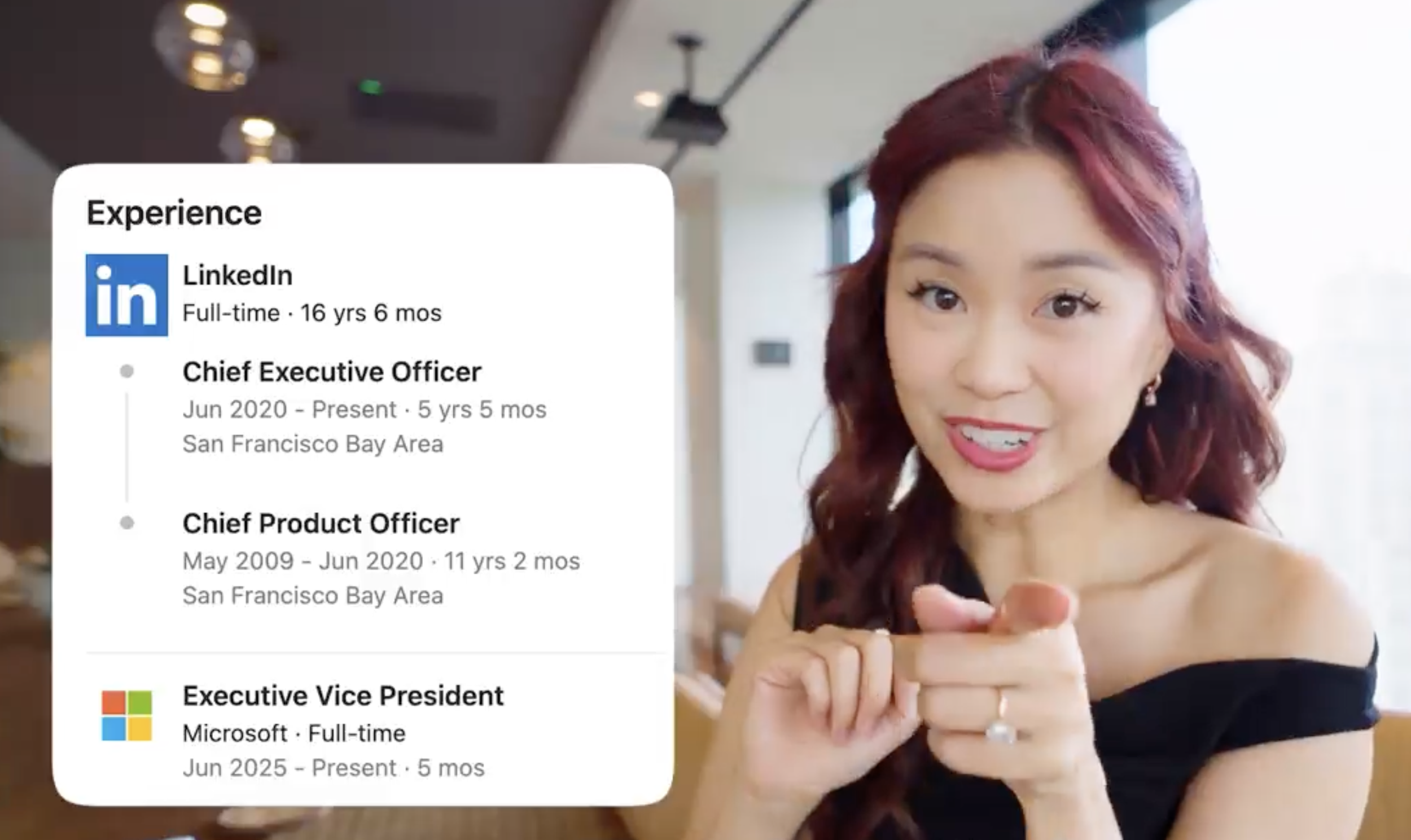
Content creator Chloe Shih encouraged brands to explore partnerships with LinkedIn creators. (Source: Chloe Shih.)
Even as technology threatens to further carve up the population into increasingly smaller digital bubbles, people strive for ways to connect — with each other, with the real world, even with brands.
That’s undoubtedly one of the reasons a fair amount of programming in CES 2026’s C Space is dedicated to topics like fandom and community. The first afternoon of open programming on the C Space main stage was a dedicated Content Creators track, where it became abundantly clear that the main draw of creators — for both fans and brands — is their ability to connect.
So what should brand be focusing on in the creator space? Where are the opportunities and how can they work better with creators?
Mine the niches
The appeal of creators is that they reach large online audiences that traditional media no longer does. But while brands might slide into old habits of treating creators as mass-market media and some creators try to be all things to all people, the true power is in the niches.
“If you’re a creator, there is no niche too small,” said Matt Sandler, GM-Creator Services at Amazon. “At the moment, the opportunity is not in mass market, the opportunity is master of your own domain.” That’s where passion plays and how communities are built. He cited home gardening content as an area that engages viewers by delivering education — and joy.
That was a point echoed by Jennifer Weiner, exec VP of Hello Sunshine’s brand partnerships and experiential unit Solar. Their market research into Gen Z audiences, she said, indicates that they want to “feel community, have joy.”
As a living anecdotal example, look no farther than Zehra Naqvi, Founder & CEO, of Lore, a startup AI company that’s primary purpose is to find niche fan-centric content for the obsessed. Naqvi spent her teen years building audiences by writing fan fiction.
Beyond fandom, brands can find success by figuring out where Gen Z and Gen Alpha will need help. The financial services sector is one example, said Adam Faze, CEO of Gymnasium. “There’s a huge opportunity to show up and be the educators.”
Niche doesn’t just refer to content itself. A number of panelists during the afternoon sessions said that brands should diversify their digital/social options beyond the major players like Instagram and YouTube, with LinkedIn and Substack getting multiple mentions.
Keep it real (world)
Creators and brands alike brought up the importance of real-world activations. Hello Sunshine’s Wiener noted that Gen Z in particular is on the hunt for third spaces beyond Starbucks and Sephora.
“Nothing replaces human interaction, just mingling with one another,” said Lore’s Naqvi.
According to Kimberley Hand, Influencer Marketer Leader at T-Mobile, the company continues to find success with creators in the lifestyle space. And part of its efforts “to lean into show not tell” is going beyond the digital realm alone and inviting creators to Club Magenta activations at concerts and other events. This, she said, demonstrates the products in a way consumers can see themselves using them.
Trust the creators
Markus Frieske, General Manager of Social & Creator Marketing at Microsoft, said that he’s concentrating his efforts on growing the content ops team, with an eye on hiring people from creator backgrounds. Why? Script writers, directors, and others from that space know the pacing and demands of this particular type of content.
But beyond that, he noted that brands really need to trust the creators they hire. Sure, it demands collaboration, but brands need to move away from overly restrictive creative briefs and trying to control every step of the process.
Exerting control, trend-hopping, and simply mimicking a creator’s style, said Faze. “It doesn’t matter how many videos a brand tries to make in the style that we make, it won’t come out as authentic.”
Or, as Creator Chloe Shih, said “Please, don’t give me more messaging.” (Brands and their agencies should also figure out what they want before reaching out to creators: “It’s very clear to me when the brand and agency don’t talk,” she said.)
Brad Haugen, Exec VP of Digital Strategy and Growth, Lionsgate, said marketing execs need to broaden their definition of what a creator is. “They tend to look at creators through a certain lens. Even the word creator needs to be broadened a little bit in the minds of executives. … ‘Oh you’re a creator. You make things on the internet.’ Walt Disney was a creator. Steven Spielberg is a creator.” He added: “What else can we do with them? We have potentially the next great filmmaker. … They’re not just there to market your product. They’re not just there to do digital stuff.”
Put another way, too many marketers see creators simply as talent, when in fact they have more in common with entrepreneurs.