
Brian Cooley: The Future of Interaction Is About Anticipation
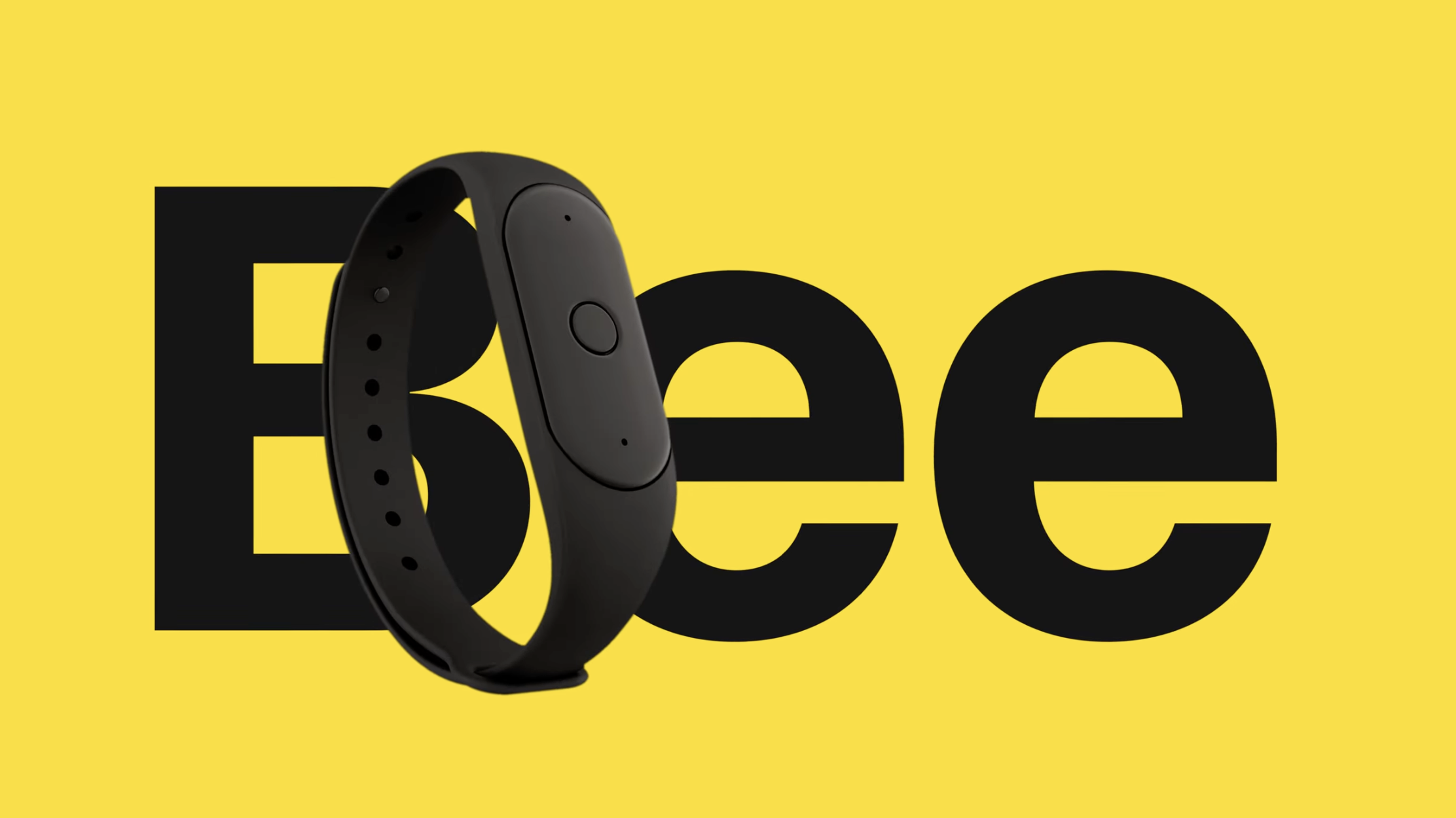
The Bee Pioneer is an AI-powered audio device. (Source: Bee)
When it comes to predicting the future of technology, Brian Cooley, a CNET partner and former editor-at-large, starts by thinking like a consumer. And instead of guessing the latest “winner” — particularly at a show the size of CES — Cooley suggested to those attending his “Next Big Thing” session at the WPP Media Lounge should “cross-pollinate” by exploring categories they’re not in and seeking out tech that feels completely foreign. Skepticism, he added, is a virtue in a world where hype often outpaces substance.
Cooley said great technology comes down to four things:
· Transparent: The best technology gets out of the way, letting users focus on what matters.
· Intuitive: It’s easy to use and even easier to understand why you’d want to use it.
· Intimate: The smartest tech knows users better than they know themselves, anticipating needs before they’re voiced.
· Constant: Like air, it’s always available — no hoops to jump through.
He pointed out that some of the things that repeatedly make headlines at CES fail across the board. He seemed particularly mystified by automakers’ continued insistence on trying to cram cars full of home theater equipment — something that consumers don’t want and is rarely intuitive. He also noted that despite repeated efforts, smart fridges aren’t taking off for similar reasons: they’re tech searching for a purpose rather than something that solves an actual consumer need.
One area in which he’s become a little less skeptical? Home robots. “I think home robots might actually work. I’ve never believed that. I’ve been very skeptical.” Why? The change? On one end, companies are making robots that are lighter, less powerful, and actually do less (but do it better). And on the other end, they’re making humanoid robots that are a little softer — and less “brittle” when it comes to adapting to new environments.
Anticipating the future
He predicted that the future of interaction is all about anticipation. “The future is levers that pull themselves.” Imagine devices that respond before you even ask, powered by ambient signals like location, biometrics, and neural sensing (even if that last one is still a bit sci-fi).
AI, of course, will be part of that as it improves and consumers adopt it more and more. AI promises to cut through the “interactive overload,” helping consumers get answers faster and with less effort. But as information grows, so does the need to filter it. Cooley admitted that despite years of working with video, “By the end of this year I don’t know if I’ll trust myself to tell the difference between AI and real video.”
He has no doubt that the latest trend in AI — agentic AI — will become a reality, and that we’ll be faced with a world where a lot of marketing will “target machines rather than people.” But he said that agentic AI faces its own hurdles: long-term awareness, resistance to cascading failures, and the need for platforms to cooperate in ways they currently don’t. And as AI becomes more embedded, new legal frameworks will be needed to answer tough questions about liability.
A few other highlights from Cooley’s session:
Edge AI. On-device AI brings benefits like user context, privacy, and lower energy use. “Edge AI is not a technical weirdness, it’s something important to follow,” Cooley noted. Companies like Lenovo and Motorola are already building AI into their devices.
Audio. AI-powered audio devices are organizing conversations, summarizing what they hear, and extracting to-do items. Products like Bee (acquired by Amazon), Plaud Notepin, and Switchbot Mindclip are pushing the boundaries of what voice tech can do.
Extended reality. VR, AR, and XR continue to evolve, with Meta Glasses offering helper visualizations and Razer’s Project Motoko headphones using cameras to power audio AR (though Cooley said he was a little skeptical about the headphones).
Health tech. Cooley praised the Withings Body Scan 2, which can detect 60 biomarkers in 90 seconds, and the AKTIIA Hilo Blood Pressure Band, which is FDA-cleared for sale in 2026. It’s real tech from companies with track records and the tech solves actual consumer needs.